
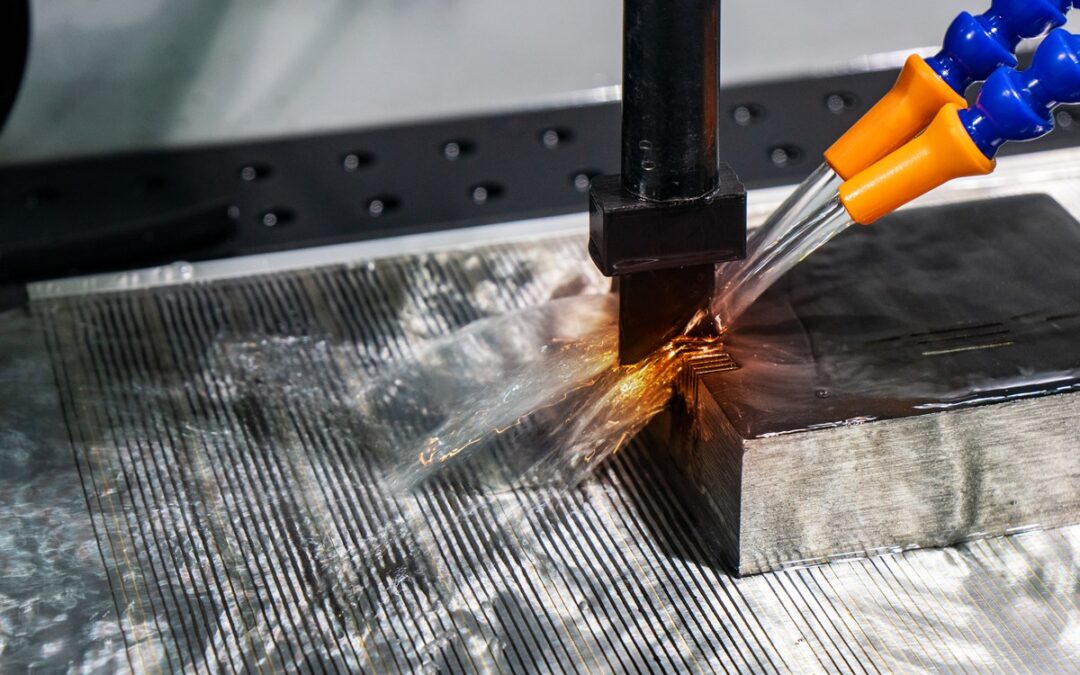
High-density graphite electrodes have become an indispensable component in modern manufacturing landscapes that rely on precision, thermal stability, and material consistency. As industries push toward micro-level accuracy in EDM processes, semiconductor fabrication, and advanced mold production, demand for optimized CNC machining of graphite continues to grow. The unique material characteristics of high-density graphite—including its brittleness, porosity control, and isotropic structure—require carefully selected CNC machining parameters to prevent chipping, reduce dust generation, and preserve dimensional accuracy. In today’s search algorithm environment, content that emphasizes technical clarity, keyword relevance, and user-focused explanations performs best, making it essential to present CNC parameter discussions in a structured and data-driven manner. Properly tuned feed rates, spindle speeds, tooling strategies, and dust-extraction considerations not only enhance machining precision but also extend tool life and improve process sustainability. For manufacturers navigating the shift to tighter tolerances and faster production cycles, understanding these parameters determines whether graphite electrodes meet performance expectations or fall short during downstream processing.
Achieving optimal CNC machining outcomes begins with selecting appropriate spindle speeds and feed rates, two critical variables that directly influence graphite’s surface integrity. Unlike metals, high-density graphite can be machined at exceptionally high spindle speeds—often between 10,000 and 30,000 RPM—thanks to its low cutting resistance and high thermal tolerance. However, speed alone does not dictate success. Correct feed rate calibration is essential to avoid micro-fracturing, excessive tool wear, or unintended dimensional deviations. Feed rates typically range between 800 and 3000 mm/min depending on electrode size, tool diameter, and required surface finish. Higher densities generally allow slightly more aggressive feed settings due to reduced porosity and improved material cohesion. Maintaining the right balance between speed and feed ensures consistent chip formation, smoother edges, and reduced dust particulate, which is vital for high-end EDM electrode applications where even microscopic inconsistencies can influence discharge performance. These parameters also affect machining time efficiency, allowing manufacturers to optimize cycle durations without sacrificing quality.
Cutting tool selection is another cornerstone of maintaining precision when machining high-density graphite. Since the material is naturally abrasive, tool wear becomes a significant operational concern. To combat this, diamond-coated tools have become the industry standard due to their high hardness, wear resistance, and ability to sustain sharp cutting edges over long production runs. These coatings help maintain tight tolerances even when machining extremely fine electrode geometries, such as micro ribs, sharp corners, and deep cavities required in advanced mold and die manufacturing. Tool geometry also plays a critical role. Single-flute or two-flute cutters help create stable chip evacuation paths, minimizing heat buildup and tool deflection. Additionally, shorter tool lengths reduce vibration during high-RPM operations, resulting in cleaner wall finishes and improved dimensional repetition. Manufacturers who neglect proper tooling considerations often experience premature failures, inconsistent electrode quality, and costly rework cycles, underscoring the importance of aligning tool characteristics with graphite’s abrasive behavior.
Another crucial area in CNC machining of high-density graphite lies in depth of cut, step-over configuration, and toolpath strategy. These factors determine not only the machining speed, but also the electrode’s final surface texture and structural integrity. Roughing operations typically use larger step-over values—around 20 to 40 percent of tool diameter—to remove material rapidly while maintaining stability. During finishing, step-over values drop to 5 to 10 percent to achieve smoother surfaces that reduce EDM wear during discharge cycles. Depth of cut for high-density graphite tends to be shallow, especially during finishing, to avoid delamination or micro-chipping along the material’s edge lines. Adaptive toolpaths and constant tool-engagement strategies further improve control by distributing cutting forces evenly across the material. This reduces sudden load changes, extends tool longevity, and allows better heat management during extended milling runs. Combined with optimized entry and exit paths, these strategies help produce electrodes with homogeneous surfaces, which directly translates to better spark erosion consistency during EDM processes.
Beyond the cutting parameters themselves, an often overlooked but increasingly important aspect is environmental control and dust-management systems. As graphite generates extremely fine dust during machining, maintaining a clean workspace is both a productivity and safety priority. Effective dust extraction prevents accumulation that could interfere with tool movement, clog machine components, or degrade spindle performance. Modern CNC graphite machining centers often incorporate multi-stage vacuum systems designed specifically for high-density graphite particulate, ensuring maximum airflow during high-speed operations. Maintaining proper dust-removal rates is essential for protecting both equipment and operators. Temperature and humidity control also play a role in maintaining dimensional stability, especially for large or intricate electrodes. A stable machining environment ensures predictable tool behavior, consistent surface finishes, and reduced risk of microstructural shifts within the graphite itself. With search engines increasingly prioritizing content that highlights sustainability and workplace safety, integrating dust and environmental management considerations into machining strategies aligns with industry best practices and algorithm-friendly content standards.
The last dimension in optimizing CNC machining parameters for high-density graphite electrodes involves quality assurance, inspection workflows, and digital integration. Precision machining today is tightly linked with real-time monitoring systems, adaptive compensation algorithms, and automated measurement technologies that control deviations at the micron level. Using CNC machines equipped with probing systems allows manufacturers to verify tool offsets, part dimensions, and surface flatness directly within the machining cycle, reducing manual intervention and ensuring repeatability. Continuous measurement helps identify gradual tool wear, allowing parameter adjustments before quality degradation occurs. With AI-assisted CNC controllers, machining parameters can be dynamically refined in real time based on cutting load data, vibration patterns, and thermal feedback, resulting in more consistent electrode performance. As high-density graphite electrodes play a pivotal role in EDM accuracy, semiconductor processes, and precision tooling, adopting these advanced workflow integrations supports both production efficiency and long-term reliability. High-ranking digital content today emphasizes technical detail, user-centric clarity, and relevance to current manufacturing challenges, making a comprehensive approach to CNC parameter optimization essential for competitive success.